
Many people only visit an optometrist when they notice a problem — but by then, conditions like glaucoma may have already caused irreversible damage. Here's the recommended schedule for every stage of life.
Why Regular Eye Exams Matter
Your eyes can change gradually over years — so gradually that you may not notice a decline in vision until it becomes significant. Many serious conditions, including glaucoma, diabetic retinopathy, and macular degeneration, have no noticeable symptoms in their early stages. A comprehensive eye exam is the only way to detect these problems before they cause lasting harm.
Beyond disease detection, regular exams also track changes in your prescription, monitor eye muscle coordination, and check the health of your retina, optic nerve, and lens.
Did you know? In India, an estimated 12 million people are blind, with a significant proportion of cases preventable through timely eye care. Early detection through regular eye exams is one of the most effective public health interventions available.
Recommended Eye Exam Frequency by Age
Paediatricians typically screen for basic vision issues, but a comprehensive infant eye exam by an optometrist detects problems like strabismus (crossed eyes), amblyopia (lazy eye), and refractive errors that can affect visual development if left untreated.
This period is critical for visual development. Amblyopia must be caught and treated before age 7 to be correctable. Look for signs like squinting, head tilting, or sitting too close to screens.
Children's eyes change rapidly during school years. Myopia (short-sightedness) is increasingly common and progresses fastest during this period. Annual exams help manage prescription changes and support academic performance.
Healthy adults in this range with no risk factors can generally have exams every two years. However, if you wear glasses or contacts, have a family history of eye disease, or work in front of screens for long hours, annual exams are recommended.
Presbyopia (difficulty reading up close) typically begins around age 40. The risk of cataracts, glaucoma, and macular degeneration increases. Annual exams allow for early intervention and updated prescriptions.
Annual comprehensive exams are essential. Age-related conditions accelerate in this group, and many systemic diseases — diabetes, hypertension, autoimmune conditions — manifest in the eyes first.
Who Should Get Exams More Frequently?
Certain risk factors warrant more frequent examinations regardless of age. You may need annual or even bi-annual exams if you:
- Have diabetes or high blood pressure
- Have a family history of glaucoma or macular degeneration
- Wear contact lenses
- Have had eye surgery or a previous eye injury
- Work with chemicals, tools, or in environments hazardous to eyes
- Take medications with known ocular side effects
- Have been previously diagnosed with an eye condition
What Happens During a Comprehensive Eye Exam?
A thorough eye exam at Shine Eye Clinic typically includes:
Measures how clearly you see at various distances using the standard Snellen chart.
Determines your exact spectacle or contact lens prescription.
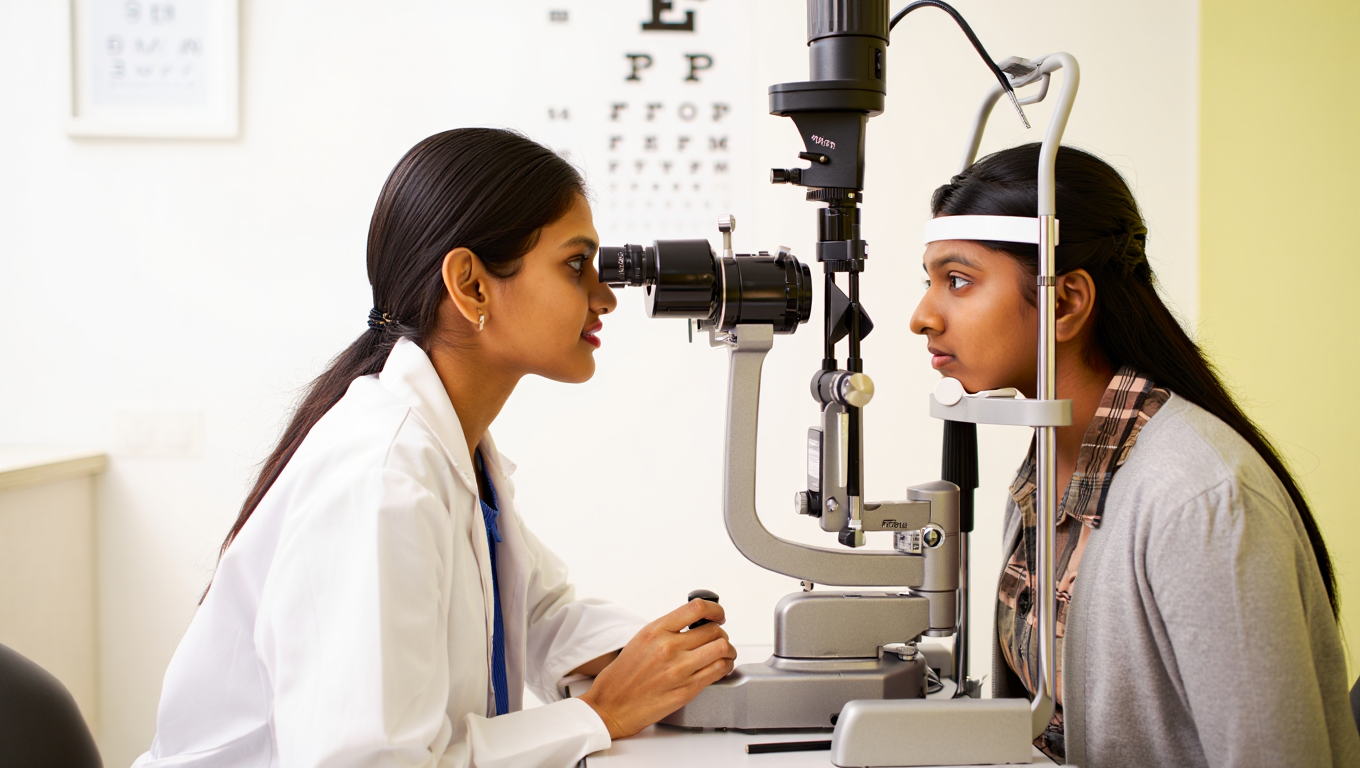
Allows detailed examination of the anterior eye structures: cornea, lens, iris, and anterior chamber.
Screens for elevated eye pressure, a key risk factor for glaucoma. Normal IOP is generally 10–21 mmHg.
Eye drops widen your pupil so the doctor can examine the retina, optic disc, and blood vessels for signs of disease.
Checks for colour blindness and glaucoma-related field loss.
Signs You Should Not Wait for Your Next Scheduled Exam
Book an urgent appointment if you experience any of the following:
The Bottom Line
Vision loss from conditions like glaucoma and diabetic retinopathy is largely preventable with regular screenings. Don't wait for symptoms — by the time you notice a problem, significant damage may have already occurred. Schedule your comprehensive eye exam today and protect your sight for life.
Senior Ophthalmologist at Shine Eye Clinic. Specialises in comprehensive eye care, refractive surgery, and paediatric ophthalmology. Committed to making quality eye care accessible to every patient.